
The Role of Youth Entrepreneurship in National Development
Introduction
Young people represent one of the most valuable resources any nation possesses. Their creativity, energy, and willingness to explore new ideas make them powerful drivers of progress. In many developing economies, however, unemployment among young people remains a major challenge. This situation has pushed many youths to look beyond traditional employment and explore entrepreneurship as a pathway to economic independence and social impact.
Youth entrepreneurship has therefore become a critical element in national development strategies. When young people create businesses, they do more than earn a living for themselves. They contribute to economic growth, create employment opportunities, and develop solutions to everyday challenges within their communities.
Countries that support youth entrepreneurship often experience stronger innovation systems, more resilient economies, and improved social development. By empowering young entrepreneurs with the right knowledge, skills, and opportunities, nations can unlock enormous economic potential and create a more sustainable future.
Understanding Youth Entrepreneurship
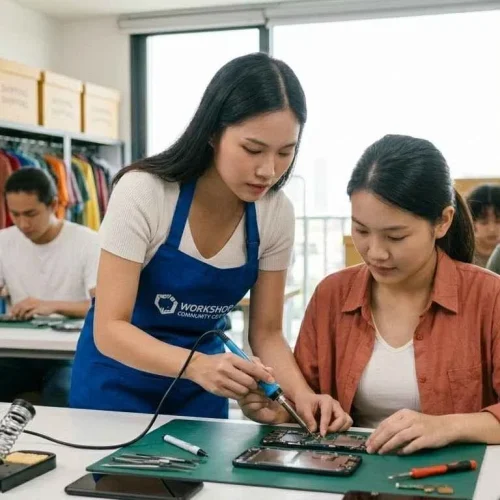
Youth entrepreneurship refers to the process through which young individuals identify opportunities, develop ideas, and build businesses that provide products or services to meet societal needs.
These businesses may operate in various sectors including:
- Technology and digital innovation.
- Agriculture and food production.
- Creative industries.
- Education services.
- Healthcare solutions.
- Retail and commerce
Entrepreneurship enables young people to turn their ideas into practical solutions that address real problems in their communities. It also allows them to build financial independence and develop leadership skills that are valuable for long-term growth.
Beyond individual success, youth entrepreneurship plays a wider role in shaping the economic and social development of a nation.
Job Creation and Economic Growth
When young entrepreneurs establish businesses, they often hire other individuals to support their operations. As these businesses grow, they create more employment opportunities, which helps reduce unemployment and strengthen local economies.
Small and medium-sized enterprises (SMEs), many of which are founded by young entrepreneurs, form the backbone of many national economies. They contribute significantly to:
- Production and service delivery.
- Income generation.
- Local economic development.
- Government revenue through taxes
As more youth-led businesses succeed, they stimulate economic activity and encourage further investment in the economy.
Innovation and Problem Solving
Young entrepreneurs often bring fresh perspectives to longstanding challenges. Because they are deeply connected to their communities, they are able to identify problems and develop practical solutions.
For example, youth-led startups across Africa are creating innovations such as:
- Mobile financial services for rural communities.
- Digital education platforms for remote learning
- Agricultural technologies that improve food production.
- Health solutions that increase access to medical services
These innovations not only improve daily life but also strengthen national development by increasing productivity and improving access to essential services.
Innovation-driven entrepreneurship also helps countries remain competitive in an increasingly globalized economy.
Reducing Poverty and Social Inequality
Entrepreneurship provides an opportunity for individuals to improve their financial situation and contribute to the well-being of their families.
When young people successfully build businesses, they create income for themselves and for others they employ. This helps reduce poverty levels and improves living standards within communities.
Youth entrepreneurship also promotes social inclusion by creating opportunities for groups that are often marginalized, including:
- Young women.
- Rural youth.
- People with disabilities
By expanding economic participation, youth entrepreneurship helps build a more balanced and inclusive society.

Strengthening Leadership and Community Development
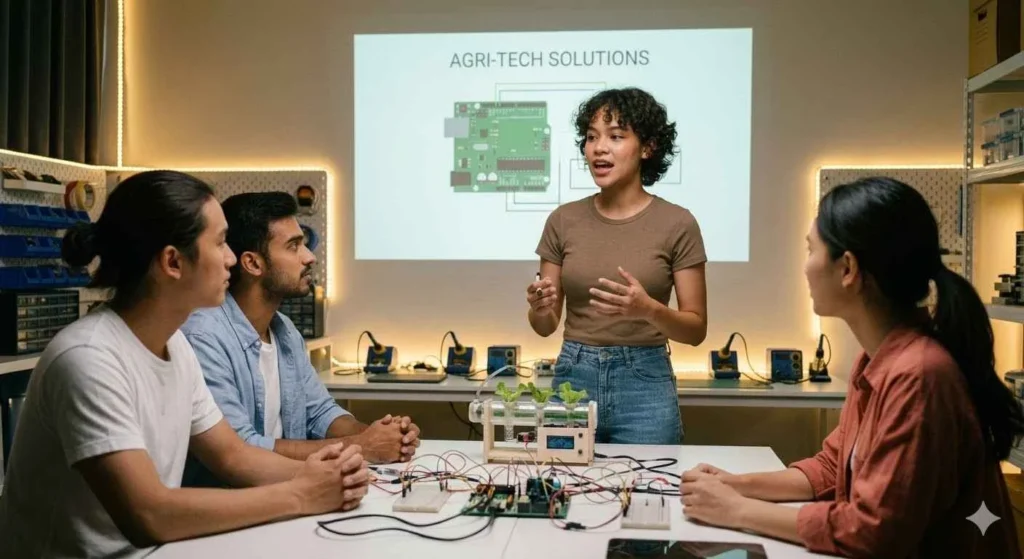
Entrepreneurship is not only about running a business. It also helps young people develop leadership skills that benefit society as a whole.
Entrepreneurs learn how to:
- Manage resources effectively.
- Make strategic decisions.
- Lead teams.
- Solve problems creatively.
- Adapt to changing economic conditions
These leadership abilities contribute to stronger institutions and more active community participation. Youth entrepreneurs often become role models who inspire others to pursue innovation and self-reliance.
The Importance of Support Systems
Despite its potential, youth entrepreneurship faces several challenges.
Many young entrepreneurs struggle with issues such as:
- Limited access to startup funding.
- Lack of mentorship and business guidance.
- Limited exposure to markets.
- Inadequate entrepreneurial education.
- Regulatory barriers
To address these challenges, governments, development organizations, and private institutions must invest in support systems that encourage youth entrepreneurship.
Key support initiatives include:
- Entrepreneurship training programs.
- Business incubation and acceleration hubs.
- Access to startup funding and grants.
- Mentorship and coaching programs.
- Policy frameworks that support startups
When these systems are in place, young entrepreneurs are better equipped to build sustainable and successful businesses.
Youth Entrepreneurship and Sustainable Development
Sustainable development requires economic growth that also protects social and environmental well-being.
Many young entrepreneurs today are building businesses that focus on sustainability. These ventures may address issues such as:
- Renewable energy solutions.
- Waste management and recycling.
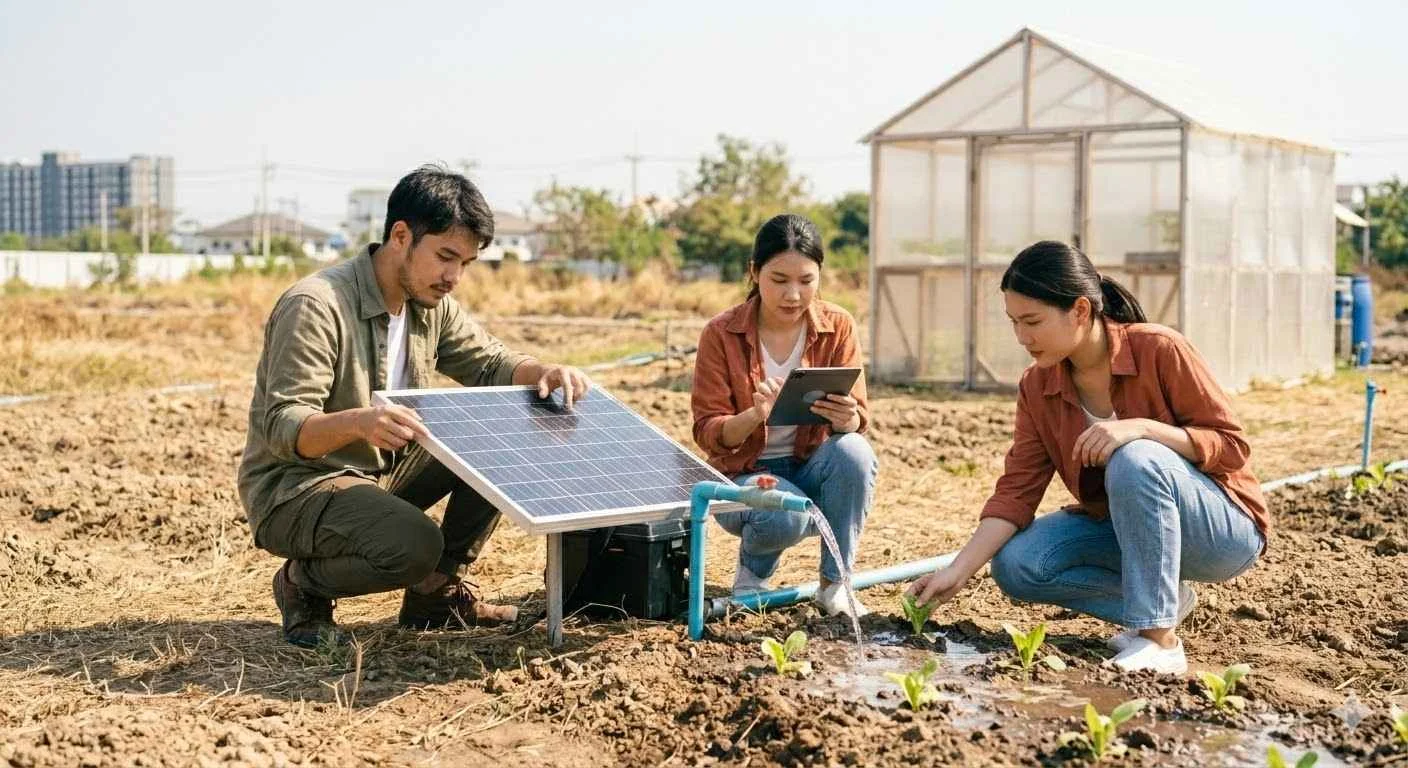
- Climate-smart agriculture.
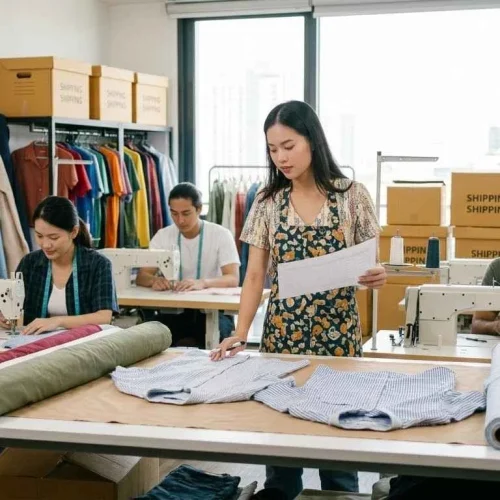
- Sustainable fashion and manufacturing
By integrating sustainability into their business models, youth entrepreneurs contribute to long-term national development while protecting the environment for future generations.
Conclusion
Youth entrepreneurship plays a vital role in national development. Through innovation, job creation, and economic participation, young entrepreneurs contribute to building stronger and more resilient economies.
When young people are empowered with the right skills, resources, and opportunities, they are capable of transforming ideas into enterprises that benefit entire communities.
Investing in youth entrepreneurship is therefore not simply about supporting business creation. It is about unlocking the creativity, ambition, and leadership potential of the next generation.
By encouraging young people to innovate and build sustainable enterprises, nations can create lasting economic growth and a more prosperous future for all.
Join us in transforming challenges into opportunities.
Ready to make an impact? Let’s build a sustainable future together