Food Security and Smart Monitoring Workshop Organized by the Taiwan ICDF in Taipei, Taiwan (2026)
Introduction
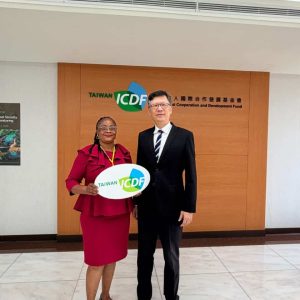
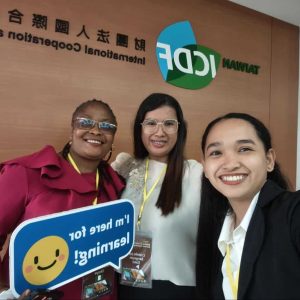
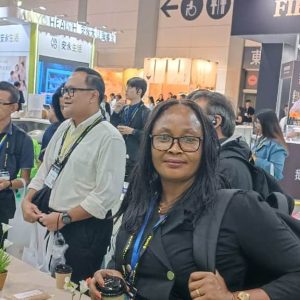
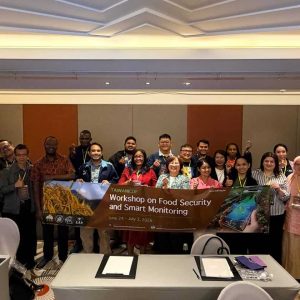
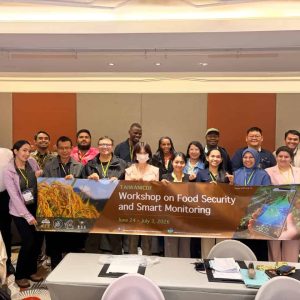
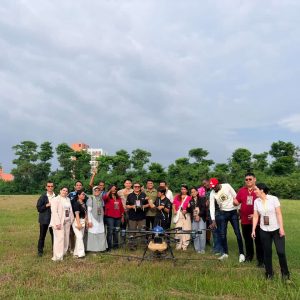
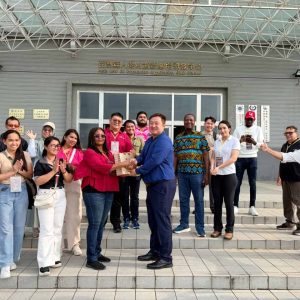
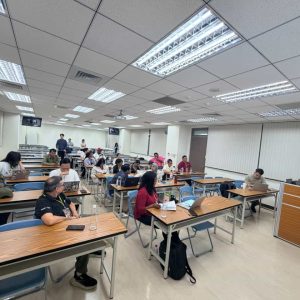
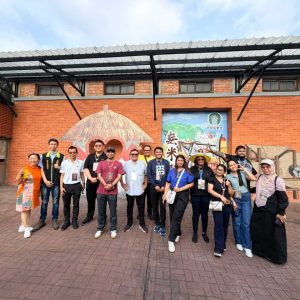
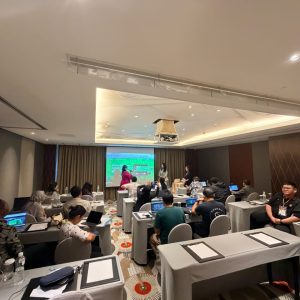
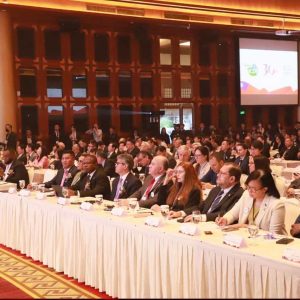
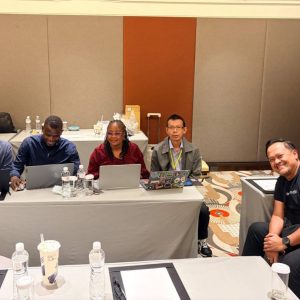
De-Nexus Center is pleased to announce that the organization was represented at the Food Security and Smart Monitoring Workshop, organized by the Taiwan International Cooperation and Development Fund (TaiwanICDF)in Taipei, Taiwan. The workshop brought together government officials, development practitioners, researchers, and technical professionals from different countries to explore practical approaches to improving food security through innovation and digital technology.
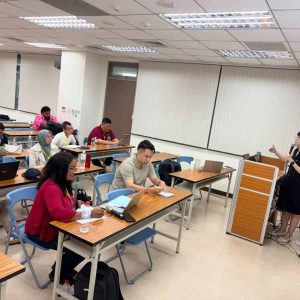
The programme provided participants with an opportunity to exchange knowledge, learn from international experiences, and strengthen their understanding of how smart technologies can support sustainable agriculture and improve food systems in the face of global challenges.
About the Event
The Food Security and Smart Monitoring Workshop was a ten-day international training programme organized by TaiwanICDF as part of its global capacity development initiative. The workshop was designed to help participating countries strengthen their ability to monitor food production, improve agricultural planning, and respond more effectively to food security challenges.
As climate change, population growth, supply chain disruptions, and food safety concerns continue to affect food availability across the world, the programme highlighted the growing importance of technology-driven solutions for ensuring stable and sustainable food systems.
Participants were introduced to practical tools and modern digital technologies that can improve agricultural decision-making, enhance food traceability, and provide early warning systems for potential food shortages and food safety risks
Key Goals
The workshop was designed to achieve several important objectives, including:
- Smart agriculture and digital transformation.
- Food production monitoring using IoT sensors and remote sensing technologies.
- Artificial Intelligence for crop yield prediction and agricultural data analysis.
- Satellite imagery for monitoring agricultural activities.
- Food supply chain management and digital traceability.
- Blockchain applications for improving transparency and food safety.
- Climate change adaptation and agricultural resilience.
- Pest detection and early warning systems.
- Risk management during food supply disruptions.
- International food safety standards and quality assurance.
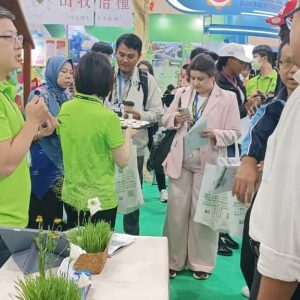
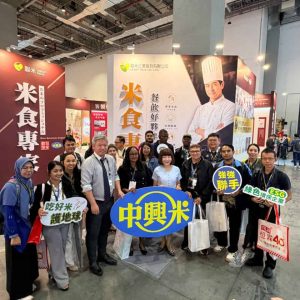
- Case studies and practical demonstrations of successful smart agriculture initiatives.
Participants
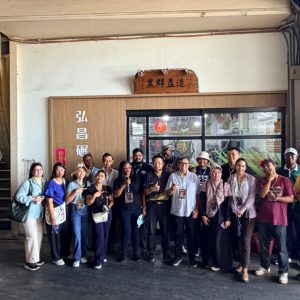
The workshop brought together participants from various countries, representing government ministries, agricultural institutions, research organizations, development agencies, and technical institutions.
Attendees included professionals working in:
- Agriculture and food security.
- Environmental management.
- Trade and supply chain management.
- Information and communication technology.
- Agricultural engineering.
- Data science and analytics.
- Food quality inspection and regulation.
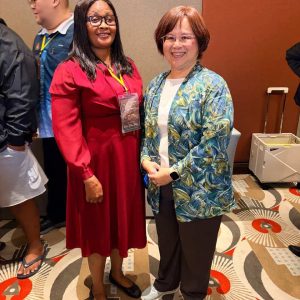
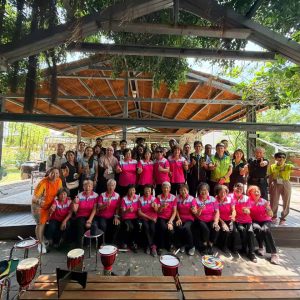
The diverse backgrounds of participants created an excellent platform for networking, collaboration, and the exchange of practical experiences across different regions.
Expected Outcomes
Through the workshop, participants were expected to:
- Gain practical knowledge of modern food security monitoring systems.
- Improve their ability to use digital technologies for agricultural planning and decision-making.
- Understand how AI and data analytics can support accurate crop forecasting.
- Learn methods for improving food safety monitoring and supply chain transparency.
- Strengthen institutional capacity to respond to food security challenges.
- Build stronger international partnerships that encourage continuous learning and technical cooperation.
The programme also encouraged participants to adapt the knowledge gained to their respective national and institutional contexts in ways that support sustainable agricultural development.
Proposed Impact
Participation in this international workshop is expected to contribute positively to De-Nexus Center’s ongoing commitment to sustainable development, innovation, and evidence-based solutions.
The knowledge acquired will help strengthen the Center’s capacity to:
- Support initiatives that promote sustainable agriculture and food security.
- Encourage the adoption of digital technologies for monitoring agricultural activities.
- Promote data-driven decision-making in development programmes.
- Contribute to discussions on climate resilience, food systems, and smart agriculture.
- Build partnerships with local and international stakeholders working toward sustainable food production and community development.
The insights gained from the workshop will also enhance the organization’s ability to support projects that integrate technology with agricultural development and environmental sustainability.
Photo Speak





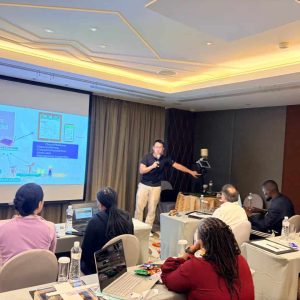
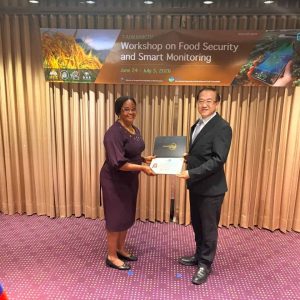
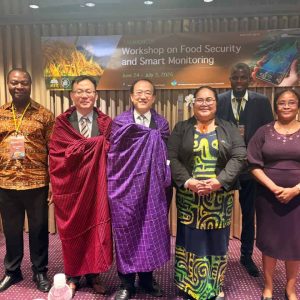
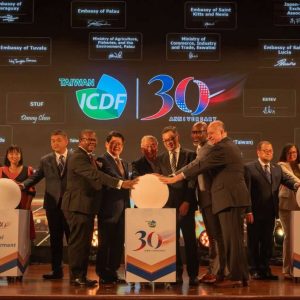
Closing
The Food Security and Smart Monitoring Workshop demonstrated how innovation and international cooperation can play an important role in addressing today’s food security challenges. As countries continue to face the effects of climate change, population growth, and evolving food systems, the adoption of smart technologies has become increasingly important for building resilient and sustainable agricultural sectors.
De-Nexus Center is honoured to have participated in this valuable international programme and remains committed to applying the knowledge gained to support sustainable development initiatives, strengthen partnerships, and contribute to solutions that improve food security and community resilience.